 English
 Spanish
 French
 German
 Italian
 Chinese (Simplified)
 Japanese
 Korean
 Arabic
 Portuguese

Call07971549793

 Send Inquiry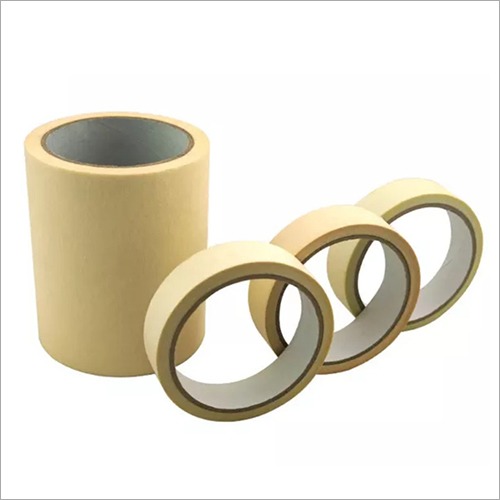
White Masking Tape
55 INR/Carton
Product Details:
X
White Masking Tape Price And Quantity
- 20 Roll
- 55 INR/Carton
White Masking Tape Trade Information
- Ex our works
- 10000 Roll Per Month
- 7 Days
- Yes
- All India
Product Description
- Strong Adhesion: Sticks securely to various surfaces like paper, wood, metal, and plastic.
- Easy to Remove: Peels off cleanly without leaving residue or damaging surfaces.
- Tearable by Hand: No need for scissorsconvenient and easy to use.
- Smooth & Paint-Friendly: Ideal for masking and protecting surfaces during painting.
- Writable Surface: Can be used for labeling and marking with pens, pencils, or markers.
- Durable & Flexible: Conforms to curves and uneven surfaces for better coverage.
- Temperature & Moisture Resistant: Suitable for indoor and light-duty outdoor applications.
- Multipurpose Applications: Perfect for painting, packaging, crafting, and DIY projects.
- Available in Various Widths & Lengths: Options to suit different needs
Superior Adhesion and Easy Removal
This masking tape is designed with a single self-adhesive side, ensuring it sticks securely to surfaces yet can be removed cleanly without damaging or leaving adhesive residue. Its white color makes it easy to write on for labeling or marking needs, enhancing practicality for a range of jobs.
Versatile Use Across Industries
Thanks to its 0.14 mm thickness and standard 24 mm width, the tape is perfect for tasks like painting, holding, bundling, sealing, and light masking. Whether you need precise paint lines or simple packaging support, this tape is a trusted option for industries, workshops, and domestic projects.
FAQ's of White Masking Tape:
Q: How should I apply the White Masking Tape for best results?
A: For optimum performance, apply the tape to a clean, dry, and dust-free surface. Press down firmly along the length of the tape to ensure it adheres properly, especially at the edges to prevent paint bleed or lifting.Q: What kind of surfaces can I use this tape on?
A: This masking tape is suitable for various surfaces including walls, glass, metal, plastic, and wood. Always test on a small area first to ensure compatibility, as very delicate surfaces might require caution.Q: When is it best to remove the masking tape after painting?
A: To achieve sharp paint lines, remove the tape as soon as the paint becomes touch-dry. Removing it too late or after the paint fully cures may cause the paint to peel or chip.Q: Where is this masking tape manufactured and exported from?
A: Our masking tape is manufactured in India, following stringent quality procedures. We supply both local markets and export internationally to meet the demands of various industries.Q: What benefits does the 0.14 mm thickness offer?
A: The 0.14 millimeter thickness provides enough durability for masking tasks while allowing for easy tear by hand. It resists bleeding and curling, contributing to clean lines and efficient masking processes.Q: What are the primary uses for this masking tape?
A: The tape is widely used for painting edges, craft projects, labeling, bundling light items, and general protection of surfaces during work or storage. Its versatility makes it suitable for both professional and home environments.Q: How does the self-adhesive feature enhance the tape's usability?
A: The self-adhesive backing ensures quick and simple application to a variety of surfaces, saving time and eliminating the need for additional adhesives or equipment during masking tasks.Tell us about your requirement

Price:
Quantity
Select Unit
- 50
- 100
- 200
- 250
- 500
- 1000+
Additional detail
Mobile number
Email

Other Products in 'Industrial Tapes' category

ADHIRAJ SONS
GST : 07ADTPJ5149H1Z5
GST : 07ADTPJ5149H1Z5

- GROUND FLOOR, KH NO-1069/1 OLD-1069, RIGHT PORTATION, Wazir Pur Industrial Area, Bhalswa JahangirDelhi - 110033, India
- Phone :07971549793

- adhirajsons@gmail.com
- For Marketing Inquiry : +919871272322, +919310900325, +919718592914


 Send Inquiry
 Send SMS
 Call Me Free
ADHIRAJ SONS
All Rights Reserved.(Terms of Use)
Developed and Managed by Infocom Network Private Limited.
Developed and Managed by Infocom Network Private Limited.

